Pointe-Gatineau · Gatineau
Pointe-Gatineau, where two rivers meet
Along rue Jacques-Cartier, the old worker houses face the street gable-first, and just beyond them the Gatineau River runs into the Ottawa. That setting shapes most window questions here: heritage approvals on one side, spring high water on the other. We connect you with an independent local glass professional for either kind of job, whether it's a basement window after the crue, a door that no longer closes true, or a double-hung sash in a heritage house.
At a glance
- Heritage
- Jacques-Cartier heritage site, cited in 1996
- Housing
- Matchbox worker houses around Saint-François-de-Sales church
- Spring
- Recurring flood risk; the City maps at-risk zones
- Common jobs
- Basement windows, entry doors, double-hung sashes
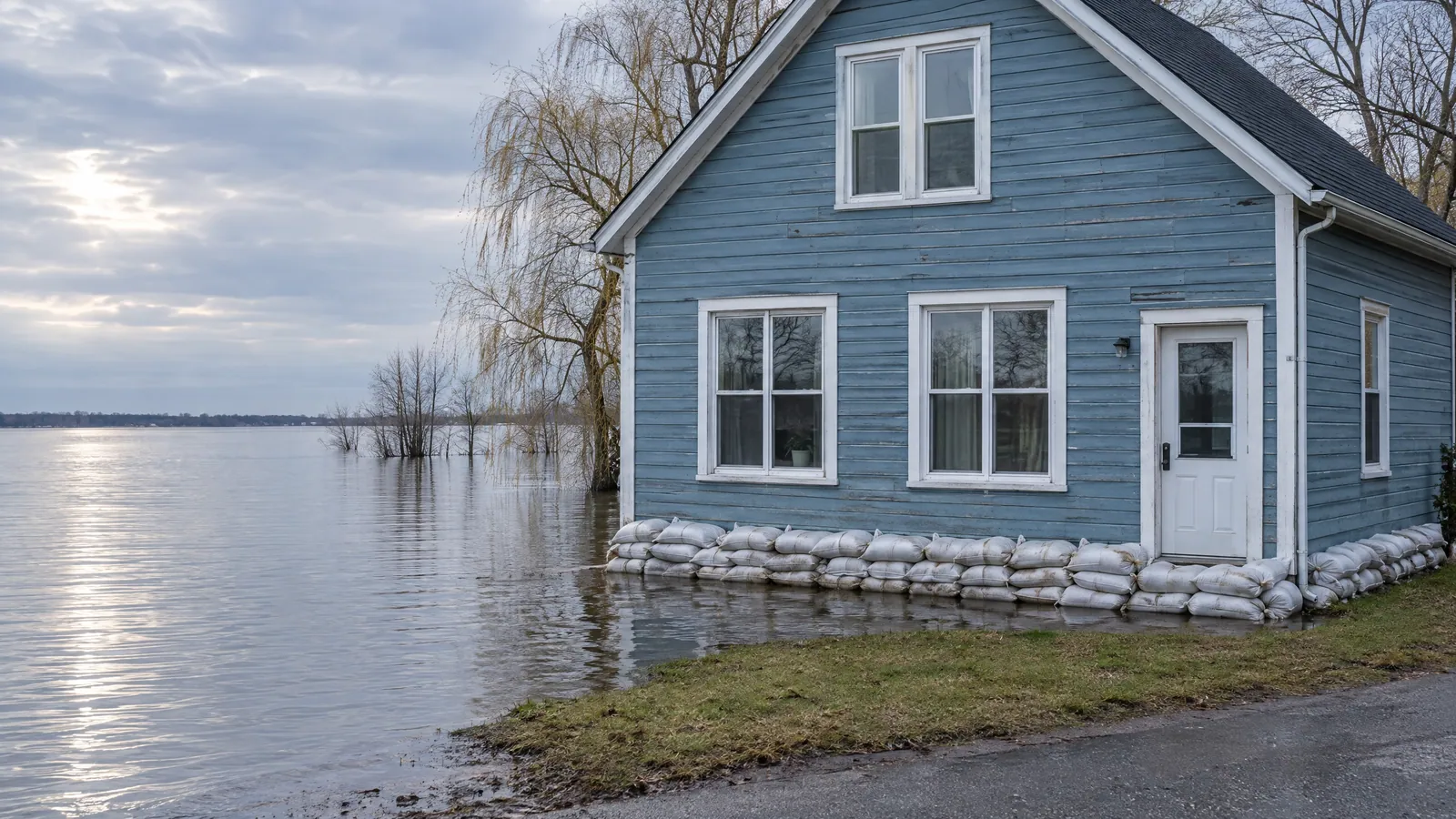
A heritage site where the Gatineau meets the Ottawa
Pointe-Gatineau began as the Long Point Range, granted in 1809, and grew from the 1830s at the meeting of the two rivers. A regular ferry ran to Ottawa from 1866. It was incorporated as its own town in 1876 and joined the city of Gatineau in 1975. In 1996 the City cited the Jacques-Cartier heritage site, centred on the neo-Gothic Saint-François-de-Sales church, built between 1886 and 1903, and the worker houses along the street.
The rivers that made the place also flood it. A flood in 1876 carried houses away, and after the floods of 2017 and 2019 many owners here accepted buyouts and moved on. Those who stayed know the spring routine well.
Matchbox houses and heritage approvals
The worker houses in the heritage site are matchbox houses, narrow and set gable-end to the street. Their original windows are wood double-hung sashes, most often in four panes, and their front doors are simple, glazed and usually off-centre. The City's guidance sheet asks owners to keep double-hung models, the same pane pattern and the same openings when windows are replaced.
Inside the cited site, exterior work needs municipal council approval before a permit is issued, after review by the planning service and its advisory committee. Start that before ordering anything. A worn sash can often be repaired instead, and a cracked pane in the front door can usually be replaced without touching the door. Our matchbox-house windows guide and the page on double-hung windows lay out the options.
Spring floods: windows, doors and basements
The City calls spring flooding a recurring phenomenon and keeps an interactive map of at-risk zones. Before the water rises in April:
- Clear leaves and silt from basement window wells, and check that their drains run.
- Look at the seal around each basement window and the calfeutrage (caulking) outside; gaps are where water finds its way in.
- Check the thresholds and weatherstripping on the lowest doors.
- Photograph windows and doors now, so there's a record of their condition.
If water does come in, make the house safe first, then photograph the damage before cleanup and call your insurer. Doors that stood in water often swell and bind, and wood frames must dry before anyone can judge them. The storm damage page sets out the order of steps, and when you're ready you can describe the damage and send photos.
Rénoclimat – Adaptation and City programs
Quebec is adding a flood stream to Rénoclimat. From 1 October 2026, Rénoclimat – Adaptation is due to offer homeowners new financial help for work that adapts a home to flooding. Which items qualify, and whether basement windows or doors are among them, hadn't been published when we last checked, so read the program page before you sign anything.
The regular Rénoclimat door and window grant is separate: it applies to full ENERGY STAR windows and doors, not to a glass-only or sash-only repair. The City's heritage program, for eligible heritage buildings, is due to reopen in fall 2026. Our window subsidies guide compares all three.
Pointe-Gatineau questions
When is the best time to repair basement windows here?
Once the ground has dried and well before the next spring. Work done in the middle of the crue, or on a frame that's still wet, rarely lasts. Summer and early autumn give time to dry the wall, reseal or replace the window and clean out the well. If you're considering Rénoclimat – Adaptation, check its rules before booking, since some programs need steps done before the work starts.
Is the original front door on a Jacques-Cartier house worth keeping?
Often, yes. Matchbox-house front doors are simple, glazed and usually off-centre, and they're part of what the heritage site protects. A cracked pane can usually be replaced without replacing the door, and a door that sticks may only need its hinges, weatherstripping or threshold adjusted. If the wood has rotted after years of spring water, ask a pro whether a section can be repaired before you price a new door.
Can a door that stood in floodwater be saved?
Sometimes. A steel or fibreglass door in a sound frame may only need cleaning, drying, new weatherstripping and an adjustment once things settle. A wood door, or a frame that soaked up water, can swell, twist or rot, and may not close true again even when dry. Let it dry fully, photograph it for the insurer, then have a pro who handles entry doors judge it.
Can a house on rue Jacques-Cartier get new windows without City approval?
Probably not. Rue Jacques-Cartier is the heart of a heritage site cited in 1996, and in a cited site exterior changes go to municipal council before a permit is issued. Ask whether that applies to a window replaced after flood damage too. Look up your address on the City's online planning map, or ask URBAIN or 311, and tell the pro the house is in the site so the soumission reflects it.